
Most Expensive Diamond Color — 60-Second Answer
- #1 Red: $1M-$3M+ per carat. Rarest natural color. Fewer than 30 documented worldwide.
- #2 Blue: $200,000-$3.9M per carat. Boron trace element. Oppenheimer Blue sold for $57.5M.
- #3 Pink: $100,000-$2M per carat. Argyle mine closure in 2020 spiked prices.
- #4 Green: $30,000-$300,000 per carat. Natural radiation creates color. Dresden Green is iconic.
- #5 Violet / Purple: $20,000-$80,000 per carat. Extremely rare pure violet. Often pink-purple blend.
- #6 Orange: $20,000-$150,000 per carat. “Pumpkin” vivids are top collector grade.
- #7 Yellow (Fancy Vivid Canary): $12,000-$35,000 per carat. Most affordable serious fancy.
- Cheapest fancy: Brown (champagne / chocolate) at $500-$3,000 per carat.
Red is the most expensive diamond color at $1M+ per carat. Fewer than 30 natural reds exist. Blue follows at $200K-$3.9M. Pink hits $100K-$2M since Argyle closed in 2020. Yellow Vivid canary ($12K-$35K) is the only fancy most buyers can afford.
Mehedi’s Take: “Over the last 3 years I’ve had 500+ buyers ask me about fancy colored diamonds. Almost nobody can actually buy a red diamond — the market is $5M+ for a tiny stone. The question people really want answered is: ‘What fancy color can I afford that still feels rare?’ The honest answer is Fancy Intense Yellow or a lab-grown pink. Everything else is Instagram-only.”
— Mehedi Hasan, Diamond Industry Veteran
Top 10 Most Expensive Diamond Colors Ranked In Order
Price per carat tells the real ranking story. Rarity drives supply. Market taste drives demand. Red wins on both. Here is the [year] ranked list from most expensive to least, with real auction prices and famous named stones for each.
| Rank | Color | Price Per Carat (Vivid) | Known Supply | Famous Example | What This Means |
|---|---|---|---|---|---|
| 1 | Red | $1,000,000-$3,000,000+ | ~30 documented | Moussaieff Red (5.11ct, ~$8M) | Rarest + highest demand = most expensive. Trophy only. |
| 2 | Blue | $200,000-$3,900,000 | Very limited | Oppenheimer Blue (14.62ct, $57.5M) | Boron trace element. Hope Diamond is iconic. |
| 3 | Pink | $100,000-$2,000,000 | Finite post-Argyle 2020 | Pink Star (59.6ct, $71.2M) | Mine closure drove prices up long-term. |
| 4 | Violet / Purple | $20,000-$80,000 | Extremely rare pure violet | Royal Purple Heart (7.34ct) | Often blended with pink. Pure violet is nearly unheard of. |
| 5 | Green | $30,000-$300,000 | Rare at saturation | Dresden Green (41ct) | Natural radiation causes color. Most are pale. |
| 6 | Orange | $20,000-$150,000 | Rare | Pumpkin Diamond (5.54ct) | “Pumpkin” Vivid Orange is the collector grade. |
| 7 | Yellow (Fancy Vivid) | $12,000-$35,000 | Produced steadily | Tiffany Yellow (128.54ct) | Most affordable serious fancy. True canary. |
| 8 | Gray | $5,000-$15,000 | Available | Wittelsbach-Graff (gray-blue, 31ct) | Grayish blue is a popular salt-and-pepper look. |
| 9 | Black | $1,500-$5,000 | Available | Black Orlov (67.5ct) | Opaque. Surface sparkle only. Fashion statement. |
| 10 | Brown (Chocolate / Champagne) | $500-$3,000 | Readily available | Golden Jubilee (545.67ct) | Cheapest fancy. Le Vian’s “chocolate diamonds” branding. |
Verdict: Red is king. Yellow is where real buyers shop. Brown is where budget shoppers get a fancy label.
Red Diamond: Why They Cost Over $1 Million Per Carat
Red diamonds are the rarest naturally occurring diamond color on Earth. The red hue comes from a lattice deformation during the crystal’s growth — not a trace element like other colors. Pink diamonds and red diamonds share the same cause, but red is simply pink at maximum saturation. Only about 30 natural red diamonds are documented. The Argyle mine in Australia produced the majority before closing in 2020.
| Famous Red Diamond | Carat | Price Paid | Current Owner | What This Means |
|---|---|---|---|---|
| Moussaieff Red | 5.11ct | ~$8M (2001) | Moussaieff family | Largest Fancy Red ever certified by GIA. |
| Hancock Red | 0.95ct | $880,000 (1987) | Christie’s auction record | $926,000 per carat — set the ratio. |
| Rob Red | 0.59ct | Private | Private collector | Among the purest reds documented. No brown undertone. |
| Kazanjian Red | 5.05ct | Private | Kazanjian Foundation | Second-largest Fancy Red. |
Verdict: You won’t own a red diamond. Only 30 exist. Focus on Pink from Argyle instead.
Blue Diamond: Boron Trace Element and the Hope Diamond Legacy
Blue diamonds get their color from boron atoms trapped in the carbon lattice during formation. Only a few mines produce them — the Cullinan mine in South Africa is the current primary source. The Hope Diamond (45.52ct) is the most famous named blue, carrying a legendary curse story and sitting in the Smithsonian today. Modern blues at auction can hit $3-4 million per carat.
| Famous Blue Diamond | Carat | Price | Known Fact | What This Means |
|---|---|---|---|---|
| Oppenheimer Blue | 14.62ct | $57.5M (2016) | Fancy Vivid Blue | Largest Vivid Blue ever auctioned. |
| Hope Diamond | 45.52ct | Priceless (Smithsonian) | Fancy Deep Grayish-Blue | Most famous named diamond in the world. |
| Blue Moon of Josephine | 12.03ct | $48.4M (2015) | Fancy Vivid Blue | $4M per carat record at sale. |
| Wittelsbach-Graff | 31.06ct | $80M+ (recut 2010) | Fancy Deep Blue | Historic blue dating back to 1664. |
| Cullinan Dream | 24.18ct | $25.4M (2016) | Fancy Intense Blue | Cullinan mine origin. |
Verdict: Blue is the second-most-expensive color. Vivid grades hit $4M per carat at auction.
Shop blue diamond jewelry at Blue Nile for lab-grown and treated-natural blues at approachable price points. Read our full blue diamond buyer guide for pricing by saturation.
Pink Diamond: Argyle Mine Closure and the 2020 Price Spike
Pink diamonds come from the same lattice distortion that creates reds — just at lower saturation. The Argyle mine in Western Australia produced over 90% of the world’s pink diamond supply. It closed in November 2020. Since the closure, pink diamond prices have risen approximately 30-50% depending on saturation grade. Fancy Vivid Pink has outperformed every major asset class for color-grade appreciation.
| Famous Pink Diamond | Carat | Price | Grade | What This Means |
|---|---|---|---|---|
| Pink Star | 59.6ct | $71.2M (2017) | Fancy Vivid Pink | Most expensive diamond ever sold at auction. |
| Graff Pink | 24.78ct | $46.2M (2010) | Fancy Intense Pink | $1.86M per carat. |
| Williamson Pink Star | 11.15ct | $57.7M (2022) | Fancy Vivid Pink | Second-highest price per carat ever. |
| Martian Pink | 12.04ct | $17.4M (2012) | Fancy Intense Pink | Harry Winston original owner. |
| Perfect Pink | 14.23ct | $23.2M (2010) | Fancy Intense Pink | Christie’s Hong Kong auction record. |
Verdict: Pink is the one appreciating asset in colored diamonds. Argyle closure means supply only shrinks from here.
Shop pink diamond jewelry at Blue Nile for lab-grown pinks at 10% the cost of natural. Deeper reading: pink diamond buyer guide.
Mehedi’s Take: “I tell buyers interested in investment-grade color this: pink from the Argyle collection is the only diamond with a supply story that supports price growth. The mine is closed. The vault is finite. Everything else — yellow, blue, green — comes from active mines that can still produce more. Pink is the only one with a hard supply cap.”
— Mehedi Hasan, Diamond Industry Veteran
Yellow Diamond: The Fancy Color You Can Actually Afford
Yellow is the most accessible fancy color. Nitrogen trace elements create the yellow hue — the same element that causes faint yellow in regular D-Z diamonds. Yellow is produced steadily by multiple mines (Africa, Russia, Australia) which keeps supply stable. The jump from “yellowish white” to “fancy yellow” happens on the GIA Fancy Color scale, with Fancy Vivid Yellow (canary) being the top grade.
| Yellow Grade | 1ct Price Range | Famous Example | Buyer Fit | What This Means |
|---|---|---|---|---|
| Fancy Light Yellow | $3,000-$5,000 | Common engagement rings | Entry buyers | True yellow look at mid-tier price. |
| Fancy Yellow | $5,000-$8,000 | Mid-market fancy | Serious yellow buyers | Where fancy pricing begins. |
| Fancy Intense Yellow | $8,000-$18,000 | Statement pieces | Collector-adjacent | Deep saturation. Nearly indistinguishable from Vivid. |
| Fancy Vivid Yellow (Canary) | $12,000-$35,000+ | Tiffany Yellow (128.54ct) | Trophy buyers | True canary. Maximum saturation grade. |
Verdict: Fancy Intense Yellow is the smart buy. Nearly identical to Vivid, 40% cheaper.
Shop yellow diamond jewelry at Blue Nile for live Fancy Intense and Vivid inventory. Full guide: yellow diamond buyer guide and iconic yellow diamond engagement rings.
Brown, Champagne, Chocolate: The Cheapest Fancy Colors
Brown diamonds are the cheapest fancy color at $500-$3,000 per carat. The brown hue comes from the same lattice distortion as pink and red — just at a different wavelength. Brown is abundant globally. The Argyle mine, before closing, was a major source. Le Vian trademarked “chocolate diamonds” to lift brown out of its “cheap diamond” reputation and successfully repositioned the color as a luxury good. Champagne and cognac are marketing names for lighter and darker brown grades.
| Brown Grade | Market Name | 1ct Price | Typical Setting | What This Means |
|---|---|---|---|---|
| Light Brown | Champagne | $500-$1,200 | Yellow gold accent | Cheapest serious fancy. Champagne marketing hides the “brown” word. |
| Medium Brown | Cognac | $800-$2,000 | Rose gold statement | Deeper warmth. Vintage pairings. |
| Dark Brown | Chocolate (Le Vian trademark) | $1,500-$3,000 | White gold contrast or yellow gold | Le Vian’s branded premium repositioning. |
| Deep Golden-Brown | Cognac Deep | $2,000-$4,000 | Statement center stone | Approaching fancy orange territory. |
Verdict: Browns are the budget fancy. Champagne and cognac are marketing names for the same color.
Full guide: brown diamond buyer guide.
What Color Diamond Is the Most Expensive?—icy D, rare red, or something else? Let’s explore every sparkling possibility! for diamonds, color isn’t just about beauty—it’s a huge part of what makes them expensive.
As one of the Diamond 4Cs (cut, clarity, color, carat), diamond color can send prices soaring, whether it’s the pure, colorless shine of a D-grade gem or the jaw-dropping rarity of a fancy hue like red, blue, or pink.
The most expensive diamond color isn’t a one-size-fits-all answer—it depends on rarity, type, and what buyers crave. A diamond color price can range from thousands to millions, driven by how nature (or a lab) paints these stones.
Here’s what we’re diving into: red diamonds reign as the priciest overall, D color tops the colorless category. Famous stunners like the Hope Diamond show off the high rollers. We’ll compare expensive diamond hues, break down costs, and share buying tips—whether you’re a pro, a dreamer, or just curious. There’s something here for everyone.
Want a head start? Check out our diamond color and clarity chart to see how color fits into the diamond puzzle. Ready to uncover the priciest sparkle? Let’s go!
How Diamond Color Drives Cost
Diamond color isn’t just eye candy—it’s the engine behind a gem’s price tag, whether we’re talking diamond color value or fancy diamond price. The Gemological Institute of America (GIA) sets the stage with its D-Z scale for white diamonds: D is pure colorless diamond cost territory—zero tint—while Z lands in light yellow or brown land.
But that’s just the start. Beyond Z, you’ve got fancy colors—think vivid reds, blues, pinks, even greens—where rarity flips the script. Cost comes down to a wild mix of factors: how rare a color is (reds are unicorns, Js are everywhere), how pure it is (D’s no-tint perfection). How much hype the market throws at it (collectors go nuts for fancy hues).
Here’s the broad breakdown:
- GIA Diamond Color Scale Basics:
- D: Colorless—top-tier rarity, max sparkle.
- G: Near-colorless—still white, way more common.
- J: Faint tint—warmth creeps in, price drops.
- Z: Light yellow/brown—common and cozy.
- Fancy Colors Kick In:
- Red: Ultra-rare crimson—20-30 exist worldwide.
- Blue: Boron-born azure—scarce but more than red.
- Pink: Soft and stunning—rarer than most whites.
- What Drives the Price?:
- Rarity: Fewer reds or Ds mean higher costs.
- Purity: D’s lack of tint jacks up colorless diamond cost.
- Defects: Fancy hues (red, blue) come from crystal quirks—super rare.
- Demand: Jewelers love D; collectors chase red and pink.
- Size: Bigger stones amplify rarity and price—fancy colors especially.
White vs. Fancy Cost Comparison Table
| Color Type | Example Grade | Rarity | Price Range (1-carat) | Key Cost Driver |
|---|---|---|---|---|
| White | D | Very rare | $9,000-$10,000 | Colorless purity |
| White | J | Common | $3,000-$4,500 | Faint tint |
| Fancy | Red | Ultra-rare | $1M+ | Extreme scarcity |
| Fancy | Blue | Rare | $200K-$4M | Unique hue |
Verdict: White D is the top of regular. Fancy Red tops everything.
Want to dig deeper? Check out D color diamond for the colorless scoop, or explore more in What Is the Best Color for a Diamond? to see how cost and beauty collide.
D Color: The Most Expensive Colorless Diamond
For white diamonds, D color diamonds are the undisputed champs—the most expensive colorless diamond on the GIA’s D-Z scale. Picture this: no tint, no yellow, no brown—just a crystal-clear gem that catches light like a prism on steroids.
It’s the D diamond value pros drool over: rarest of the colorless crew, delivering flawless brilliance that’s tough to beat. Whether you’re a jeweler crafting a masterpiece or a buyer wanting top resale, D’s the go-to.
It’s not just pretty—it’s a status symbol, a benchmark of perfection that’s been billions of years in the making.
Why D Rules the White Diamond World
- Rarity: Only a tiny slice of mined diamonds hit D—nature’s pickiest work.
- Brilliance: Zero tint means max light return—sparkle city.
- Versatility: Glows in platinum, white gold, even rose gold—any setting sings.
- Resale Power: Holds colorless gem cost better than lower grades.
- Downside: Price—$9,000-$10,000+ for a 1-carat natural ain’t cheap.
A 1-carat D, VS1 clarity, excellent cut from D color diamonds at James Allen at $9,500 glows icy white in a platinum band—pure luxury you can feel. Compare that to a lab-grown D from D color diamonds at Blue Nile at $4,000—same shine, half the hit. D’s the priciest white diamond because it’s the pinnacle of what colorless can be.
ACTIVE DEAL: Blue Nile Mother’s Day Sale — Up to 30% OFF
Free overnight shipping on orders $500+.
Free 30-day returns. Lifetime warranty.
Also: New email subscribers get $50 off their first order of $500+.
Looking for more? Check out the Clear The Vault event.
*Exclusions may apply. See Blue Nile for complete details.
D vs. Other White Grades Table
| Grade | Look | Cost (1-carat) | Rarity | Vibe |
|---|---|---|---|---|
| D | Pure colorless | $9,000-$10,000 | Very rare | Icy luxury |
| E | Almost colorless | $7,500-$9,000 | Rare | Subtle elegance |
| G | Near-colorless | $4,500-$6,000 | Moderate | Bright value |
| J | Faint tint | $3,000-$4,500 | Common | Warm charm |
Verdict: D is the ceiling for white diamonds. Any Vivid fancy crushes D on price per carat.
Red Diamonds: The Priciest Color Overall
Say hello to the undisputed heavyweight champ of diamond colors—red diamonds. These fiery beauties claim the title of most expensive diamond color in the world, and it’s not even close. With only 20-30 known to exist globally, their rare red diamond status makes them a collector’s holy grail.
A red diamond price starts at $1 million per carat and skyrockets from there, leaving even the priciest white diamonds in the dust.
What makes them so special? It’s a perfect storm of rarity and nature’s magic: crystal lattice defects bend light into a pure, vivid red hue—a one-in-a-billion fluke that’s almost never seen in the wild. These aren’t just gems; they’re history, art, and investment rolled into one.
Why Red Diamonds Cost a Fortune
- Unmatched Scarcity: 20-30 reds exist worldwide—some mines go decades without finding one.
- Unique Hue: No impurities here—just structural magic creating a fancy color cost that’s pure crimson.
- Collector Frenzy: Auction houses buzz when a red hits the block—bidders go wild.
- Size Impact: Even tiny reds (under 1 carat) fetch millions; larger ones shatter records.
- Catch: You can’t stroll into a store for one—most are auction-only or custom-sourced.

Take the famous 5.11-carat Moussaieff Red—it sold for $8 million, a jaw-dropping $1.5 million per carat! But you don’t need millions to dream. Check out this stunner: a 0.28-carat Fancy Red, I1 clarity, princess-cut diamond from Blue Nile (ex-James Allen) at $165,990.
With a good polish and symmetry, a 73.0 table. A 70.4 depth, this gem measures 3.38 x 3.31 x 2.33 mm (L/W ratio of 1.02)—a compact beauty with a very thick to extremely thick girdle and no fluorescence.
DIAMOND ON SALE!!
⏰ Tick-Tock! The Best Diamond Deals at James Allen Are Disappearing Fast!
It’s a fancy color cost that’s more accessible than auction pieces but still packs that rare red punch. Compare that to a 1-carat D color at $9,500—red’s per-carat price makes D look like a bargain.
For a more budget-friendly tinted option, see our J color diamond guide—way more common and affordable. Red’s the priciest color overall because it’s a once-in-a-lifetime find.
Red vs. D vs. J Comparison Table
| Color | Rarity | Cost (per carat) | Look | Availability | Notable Features |
|---|---|---|---|---|---|
| Red | Ultra-rare | $1M+ (0.28ct: $165,990) | Vivid crimson | Almost none | Fancy Red, I1, 3.38×3.31mm, 70.4 depth |
| D | Very rare | $9,000-$10,000 | Pure colorless | Limited but more | Colorless, high resale value |
| J | Common | $3,000-$4,500 | Faint tint | Widely available | Warm yellow, budget-friendly |
Verdict: Red is almost impossible to buy. Pink is the only realistic rare-color play.
Blue Diamonds: Luxury Runner-Up
Blue diamonds are the dazzling runners-up in the world of high-end gems, captivating with their rare diamond hue born from traces of boron in their crystal structure. They’re not as scarce as reds. They’re still elite—only a fraction of diamonds mined carry this azure magic, making them a luxury pick.
The blue diamond price reflects their rarity, ranging from $200,000 to $4 million per carat for vivid shades, depending on intensity, size, and clarity.
That fancy blue cost positions them as a collector’s dream, often outpricing white diamonds in total value for larger stones. They can’t match red’s per-carat rarity.
Why Blue Diamonds Are a Luxury Pick
- Boron’s Touch: Tiny boron atoms create that stunning blue—nature’s rare recipe.
- Rarity Level: Less rare than reds (20-30 exist), but still one in 10,000 diamonds is colored.
- Shade Spectrum: From light blue to fancy deep blue—deeper hues command higher prices.
- Mining Origins: Mostly from South Africa’s Cullinan mine, with some from India and Australia.
- Investment Value: Blues hold strong resale—think heirloom or museum piece.
- Catch: High clarity (IF) blues cost more; inclusions (SI2) can lower the price.
The 45.52-carat Hope Diamond, a Fancy Deep Blue, is valued at $250 million—not for sale. A shining example of blue’s allure. For something you can actually own, Blue Nile has some breathtaking options.

Take this 1.01-carat Fancy Blue, SI2 clarity, cushion modified cut diamond, priced at $181,440 Blue Nile. It’s a rich blue with a balanced cut, perfect for a bold pendant. Or consider a 1.09-carat Fancy Blue, IF clarity, pear-shaped diamond at $411,200 Blue Nile—its internally flawless clarity and elegant shape make it a premium pick.
Read Our 5-Star Blue Nile Review
Check our comprehensive Blue Nile review to learn why we rated Blue Nile 5 stars for their exceptional quality and value.
Compare to a 1-carat D color at $9,500—larger blues like the Hope outprice D in total value, but red’s rarity keeps it on top. For a near-colorless contrast, check out our F color diamond guide. Browse more at Blue diamonds at James Allen.
Blue vs. D Comparison Table
| Color | Rarity | Cost (per carat) | Look | Notable Features |
|---|---|---|---|---|
| Blue | Rare | $180K-$376K | Rich blue | 1.01ct, SI2, $181,440 (Blue Nile) |
| Blue | Rare | $180K-$376K | Deep blue | 1.09ct, IF, $411,200 (Blue Nile) |
| D | Very rare | $9,000-$10,000 | Pure colorless | Colorless, high brilliance |
Verdict: Blue at this price range is for serious collectors only.
Other Fancy Contenders: Pink, Green, and More
The expensive fancy colors don’t stop at red and blue—pinks, greens, yellows. Even purples join the party, each with a rare diamond color tale to tell. Pinks can fetch $100,000 to $2 million per carat, depending on their intensity. Greens range from $50,000 to $500,000 per carat for vivid shades.
Yellows, more common, still hit $10,000-$50,000 per carat for deep canary hues, and purples—ultra-rare—can rival pinks in cost. These costly gem hues owe their price to unique formation processes and the collector demand that sends auction prices into the stratosphere.
What Makes These Fancy Colors Special
- Pink Perfection: Crystal deformation during formation creates soft pinks—rarer than most whites.
- Green Radiance: Natural radiation exposure tints them—think emerald or lime shades.
- Yellow Brilliance: Nitrogen gives a sunny glow, from faint to vivid canary.
- Purple Rarity: Often mixed with pink or blue, purples are a collector’s unicorn.
- Auction Fever: Pink diamond price and others soar with investor hype.
- Geological Magic: Each hue’s a billion-year fluke—nature’s art at its finest.
The 59.6-carat Pink Star, a Fancy Vivid Pink, sold for $71.2 million—that’s $1.2 million per carat! A 5.03-carat Fancy Vivid Green once fetched $3 million—about $600,000 per carat. A 12.03-carat Fancy Vivid Yellow, the “Martian Yellow,” sold for $1.3 million—around $108,000 per carat.
Compare to a 1-carat D at $9,500—fancy colors like pink often beat D’s total price for big stones, especially at auction. For a near-colorless option, see our G color diamond guide—same sparkle, fraction of the cost.
Fancy Colors Price Table
| Color | Rarity | Cost (per carat) | Look | Why Expensive |
|---|---|---|---|---|
| Pink | Very rare | $100K-$2M | Soft pink | Crystal deformation, high demand |
| Green | Rare | $50K-$500K | Forest green | Radiation tint, collector appeal |
| Yellow | Moderate | $10K-$50K | Canary yellow | Nitrogen, more common |
| Purple | Ultra-rare | $100K-$1M+ | Deep purple | Extreme rarity, mixed hues |
Verdict: Pink is the one fancy color actively appreciating. Supply shrinks every year.
Cost Comparison Table: White vs. Fancy
Let’s lay out the diamond color cost comparison across white and fancy diamonds, from the priciest reds to budget-friendly Js. This table dives into expensive diamond grades, price of diamond hues. Availability, helping you find the best diamond color price—whether you’re after luxury, rarity, or value.
| Color | Rarity | Cost (per carat) | Look | Availability | Notable Example |
|---|---|---|---|---|---|
| D | Very rare | $9,000-$10,000 | Pure colorless | Limited but more | 1-carat, VS1, $9,500 |
| Red | Ultra-rare | $1M+ | Vivid crimson | Almost none | 0.28-carat, $165,990 (James Allen) |
| Blue | Rare | $180K-$376K | Deep blue | Very limited | 1.09-carat, IF, $411,200 (Blue Nile) |
| Pink | Very rare | $100K-$2M | Soft pink | Limited | 59.6-carat Pink Star, $1.2M/carat |
| G | Moderate | $4,500-$6,000 | Near-colorless | Common | 1-carat, VS2, $5,200 (James Allen) |
| J | Common | $3,000-$4,500 | Faint tint | Widely available | 1-carat, VS2, $3,800 |
Verdict: D color leads the regular scale. Fancy colors blow past it at Vivid grade.
A 1-carat G, VS2 from G color diamonds at James Allen at $5,200 contrasts a $1M red speck—value versus rarity in action! For more white diamond options, explore our E color diamond and H color diamond guides.
James Allen: Our 5-Star Choice for Price and Selection
Check our comprehensive James Allen Review to learn more about their pricing and commitment.
Natural vs. Lab-Grown: Price Breakdown
for diamond color rarity, the battle between natural and lab-grown diamonds changes the price game entirely. Natural diamonds carry the weight of billions of years underground, making their natural diamond color cost sky-high—especially for rare colors.
Lab-grown diamonds, crafted in controlled environments, deliver the same sparkle at a fraction of the lab grown diamond price. Whether you’re eyeing a colorless D, a fiery red, or a deep blue, the expensive lab diamonds trend makes luxury more accessible—but with trade-offs. Let’s break down how natural and lab-grown prices stack up across these coveted hues.
Diamond IQ Test: Natural or Lab-Grown?
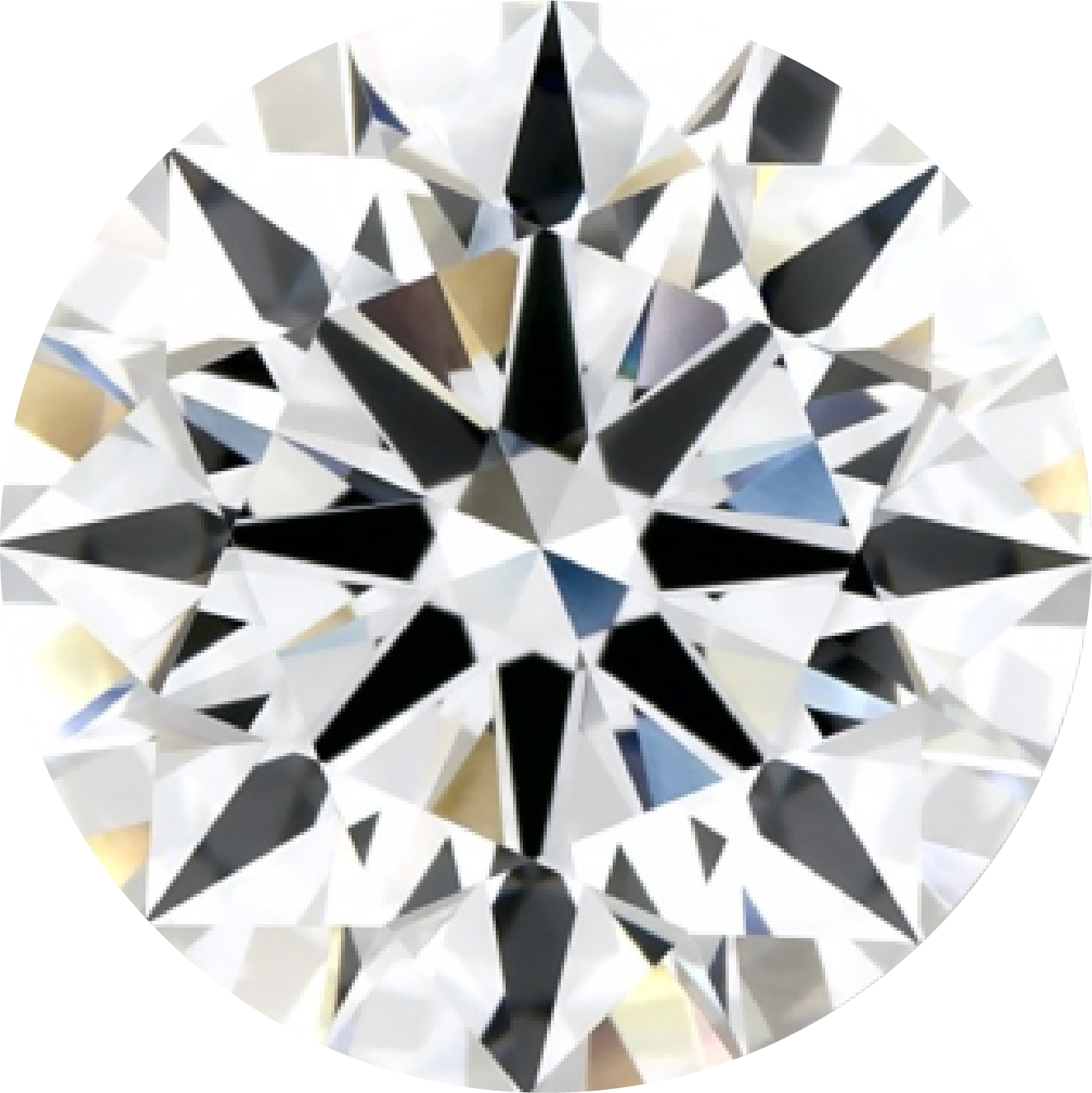
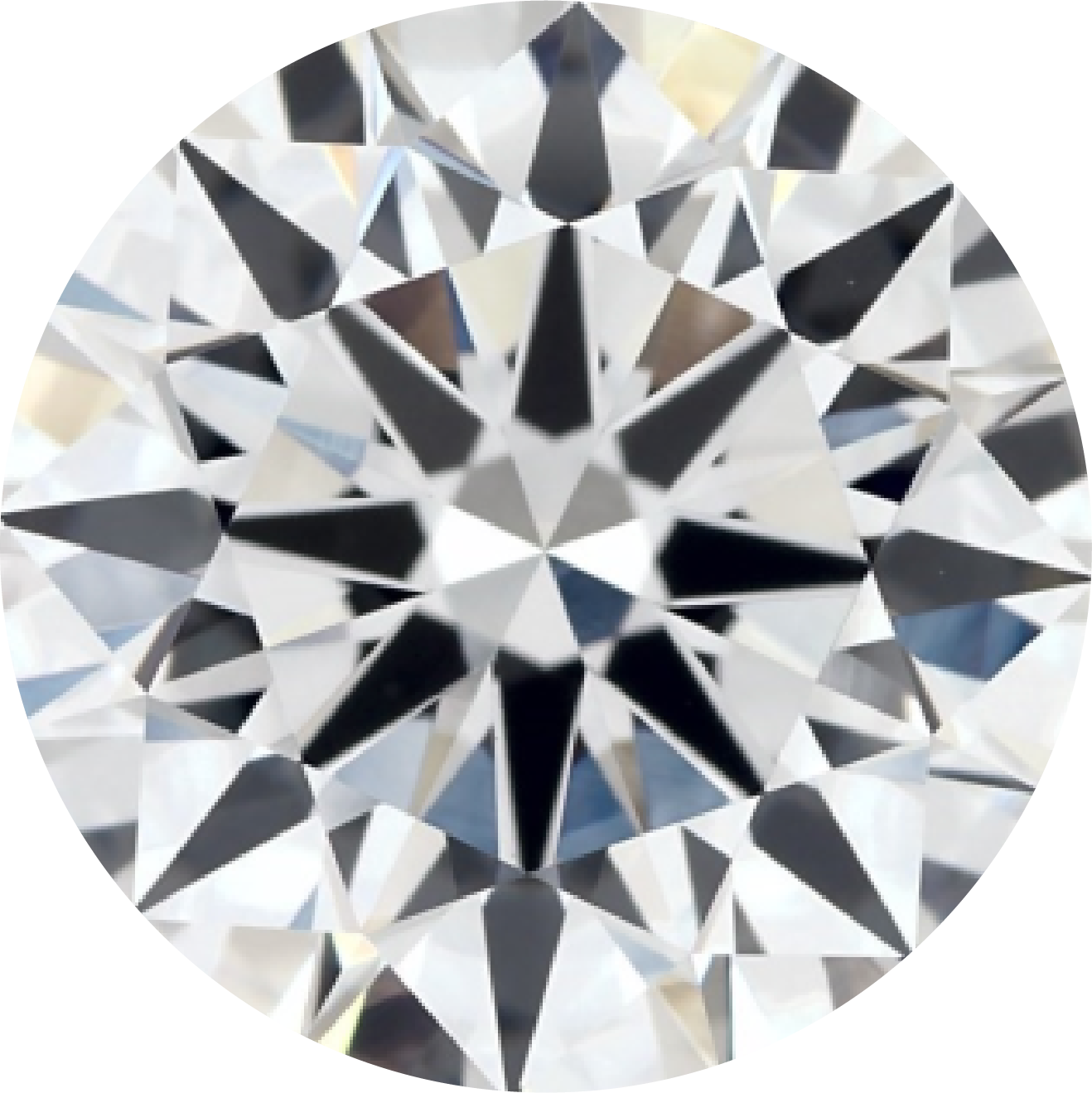
Two identical diamonds: GIA Certified, 1.51ct, D Color, VVS1, Ideal Cut. One is natural ($16,240), the other is lab-grown ($1,970). Choose the diamond you like better and see if you can match it to its origin.
Natural vs. Lab-Grown: The Cost Gap
- Natural Diamonds:
- D Color: $9,000+ for 1-carat—rare and pure.
- Red: $1M+ per carat—only 20-30 exist globally.
- Blue: $200K-$4M per carat—vivid shades are scarce.
- Lab-Grown Diamonds:
- D Color: $4,000 for 1-carat—same look, less rarity.
- Red: Thousands, not millions—synthetic reds are more common.
- Blue: Thousands to low millions—lab blues are easier to make.
- Why the Difference?:
- Natural: Geological rarity, mining costs, market prestige.
- Lab: Faster production (weeks, not eons), lower overhead, less scarcity.
- Resale Reality: Naturals hold value better; labs often don’t.
A lab-grown D, VS1 clarity, excellent cut from Ritani at $4,000 saves thousands compared to a natural D at $9,500—same icy sparkle, half the price. Lab-grown reds and blues follow suit: a 1-carat lab blue might cost $10,000-$50,000, while a natural blue hits $200,000+. Want more lab-grown options? Check out Vrai for stunning synthetic colors at a steal.
Natural vs. Lab-Grown Price Table
| Color | Type | Cost (per carat) | Pros | Cons |
|---|---|---|---|---|
| D | Natural | $9,000-$10,000 | High resale, prestige | Expensive, rare |
| D | Lab-Grown | $4,000 | Affordable, same look | Lower resale value |
| Red | Natural | $1M+ | Ultra-rare, collector gem | Unaffordable, scarce |
| Red | Lab-Grown | $5K-$50K | Accessible, still stunning | Less unique, common |
| Blue | Natural | $200K-$4M | Rare, investment-worthy | Pricey, hard to find |
| Blue | Lab-Grown | $10K-$100K | Budget-friendly, vivid hue | Lower prestige, less rare |
Verdict: Natural wins on resale. Lab wins on wearability. Pick based on your goal.
Rarest vs Most Expensive Diamond Color: They’re Not Always the Same
Rarity and price don’t always match. Red is both the rarest and the most expensive, which simplifies that one. But chameleon diamonds (color-changing with heat and light) are also extremely rare. Fewer than 100 documented — yet they sell for just $20,000-$50,000 per carat. The difference is market demand. Rare + desired = expensive. Rare + niche market = merely rare.
| Color | Known Supply | Price per Carat | Why Price vs Rarity | What This Means |
|---|---|---|---|---|
| Red | ~30 documented | $1M-$3M+ | Rare + top demand | Both conditions met = highest price. |
| Pink | Finite post-Argyle | $100K-$2M | Shrinking supply + collector demand | Supply story drives sustained appreciation. |
| Chameleon | <100 documented | $20K-$50K | Rare but niche market | Rarity without demand = moderate price. |
| Violet (pure) | Extremely rare | $20K-$80K | Niche aesthetic | Rare but readers don’t shop violet. |
| Yellow (Vivid) | Steady production | $12K-$35K | Available + popular | Supply meets demand. Prices stable. |
| Brown | Abundant | $500-$3K | Common + rebranded | Only marketing makes brown premium. |
Verdict: Rare + desired = expensive. Not rarity alone. Chameleons prove it.
Mehedi’s Take: “Buyers obsess over ‘rarest.’ Price doesn’t care about rarest alone. If I had a diamond made of unobtainium and nobody wanted one, it would be rare and worthless. The market pays for stones people actually want to wear. That’s why Fancy Vivid Pink has a market and Chameleon has a cult following.”
— Mehedi Hasan, Diamond Industry Veteran
Lab-Grown Fancy Color Diamonds: 90% Cheaper, Same Color
Lab-grown fancy color diamonds exist in every hue — pink, blue, yellow, green, red. Pricing runs 85-92% below natural. Lab-grown Fancy Vivid Pink can be had for $800-$1,500 per carat vs $100,000+ for natural. The crystal structure is identical. The color-causing process is replicated. Only the origin and the resale value differ. Lab-grown colored diamonds have essentially no secondary market — buy to wear, not to invest.
| Color | Natural 1ct Vivid | Lab 1ct Vivid | Lab Savings | What This Means |
|---|---|---|---|---|
| Red | $1M+ | $2,000-$5,000 | ~99.5% | Only way most people will wear a “red diamond.” |
| Pink | $100K-$2M | $800-$2,500 | ~98% | Argyle look at a wearable price. |
| Blue | $200K-$3.9M | $1,000-$3,500 | ~98% | Hope Diamond vibe without the curse. |
| Yellow (Vivid) | $12K-$35K | $500-$1,500 | ~90% | Entry point to real fancy color ownership. |
| Green | $30K-$300K | $600-$2,000 | ~96% | Rare natural green, affordable lab version. |
Verdict: Lab-grown collapses fancy color pricing. Buy to wear, not invest.
Shop lab and natural fancy color diamonds at Blue Nile — the full range of pink, yellow, blue, and brown at both quality tiers.
Famous Expensive Diamonds Beyond Color: Named Stones and Record Sales
The highest diamond prices ever paid cluster in fancy color territory. The Pink Star holds the all-time auction record at $71.2M. The Oppenheimer Blue hit $57.5M. The Williamson Pink Star followed at $57.7M. Below the $20M mark the market opens into mid-tier fancy stones that private collectors and museums shop. These sales set the per-carat ceiling that drives every retail fancy color price downstream.
| Diamond | Carat | Color | Sale Price | What This Means |
|---|---|---|---|---|
| Pink Star | 59.60ct | Fancy Vivid Pink | $71.2M (2017) | All-time auction record. |
| Williamson Pink Star | 11.15ct | Fancy Vivid Pink | $57.7M (2022) | Second-highest per-carat ever. |
| Oppenheimer Blue | 14.62ct | Fancy Vivid Blue | $57.5M (2016) | Largest Vivid Blue ever auctioned. |
| Blue Moon of Josephine | 12.03ct | Fancy Vivid Blue | $48.4M (2015) | $4M per carat milestone. |
| Graff Pink | 24.78ct | Fancy Intense Pink | $46.2M (2010) | Harry Winston first owner. |
| Winston Blue | 13.22ct | Fancy Vivid Blue | $23.8M (2014) | Harry Winston acquired at auction. |
| Cullinan Dream | 24.18ct | Fancy Intense Blue | $25.4M (2016) | Cut from 122.52ct rough from Cullinan mine. |
| Moussaieff Red | 5.11ct | Fancy Red | ~$8M (2001) | Largest Fancy Red certified by GIA. |
Verdict: Pink and Blue dominate the auction records. Red is rarer but rarely comes to market.
Decision Matrix: Which Fancy Color Diamond Should You Buy
| Your Situation | Budget | Recommended Color | Natural or Lab | What This Means |
|---|---|---|---|---|
| First fancy color, max impact | $5K-$15K | Fancy Vivid Yellow | Natural | True canary. Most affordable serious fancy. |
| Pink for engagement ring | $3K-$10K | Fancy Light Pink | Lab-grown | Argyle look without the auction price. |
| Blue statement necklace | $1K-$5K | Fancy Blue | Lab-grown | Lab blue is the only wearable blue for mortals. |
| Investment-grade color | $50K+ | Argyle-cert Pink | Natural, Argyle origin only | Only certified Argyle pinks appreciate. |
| Rarity collector | $30K+ | Chameleon diamond | Natural | Fewer than 100 documented. Niche but real. |
| Fashion statement | $500-$2K | Champagne / Cognac Brown | Natural | Cheapest fancy. Pairs with rose gold beautifully. |
| Trophy / auction buyer | $1M+ | Fancy Vivid Red | Natural if findable | Only 30 exist. Expect to wait years for availability. |
| Yellow gold vintage style | $3K-$8K | Deep Cognac Brown or Fancy Intense Yellow | Natural | Warm colors in warm metal = Art Deco perfection. |
Verdict: 90% of real buyers should pick lab-grown fancy pink or natural Fancy Vivid Yellow. Everything else is $100K+ territory.
Deal Alert: Mother’s Day Sale Up To 30% Off* select fine jewelry at Blue Nile.
New Collection: Shop the James Allen Collection at Blue Nile.
Vault Sale: “Clear The Vault” – Get up to 70% OFF at Blue Nile!
Flash Sale: Save up to 40% OFF sitewide at Rare Carat.
Exclusive: Get up to 60% OFF select fine jewelry at Ritani.
Mehedi’s Take: “If you have $8,000 and you want ‘a fancy color diamond,’ get a Fancy Intense Yellow at 1 carat from Blue Nile. It will look exactly like what people picture when they say ‘yellow diamond.’ And you’ll have money left over for a nice setting. If you have $800, get a lab-grown pink. Nobody at a dinner party will test it. It looks like a pink diamond because it is.”
— Mehedi Hasan, Diamond Industry Veteran
Famous Expensive Diamonds
Some diamonds aren’t just pricey—they’re legends, setting records and stealing headlines with their iconic diamond colors. These priciest diamond names showcase the most expensive diamond ever contenders, from deep blues to vivid pinks, each with a story of rarity and jaw-dropping famous gem costs. Let’s spotlight three that define luxury and prove why color can cost a fortune.
Iconic Diamonds and Their Costs
Let’s shine a spotlight on three legendary diamonds that have made history with their iconic diamond colors and staggering famous gem costs.
1. Hope Diamond

First up is the Hope Diamond, a Fancy Deep Blue masterpiece weighing 45.52 carats, valued at an estimated $250 million—though it’s not for sale. Its price tag comes from being one of the largest deep blues ever found, with a haunting history of curses and its current home at the Smithsonian.
The Boron in its structure gives that mesmerizing blue hue, a rare diamond color that’s as captivating as its lore.
Hope Diamond (Blue) Overview:
- Color: Fancy Deep Blue
- Size: 45.52 carats
- Value: $250 million (estimated, not for sale)
- Why Costly: One of the largest deep blues, with a cursed history and museum status at the Smithsonian. Boron gives its iconic hue—rare and mesmerizing.
2. Moussaieff Red

Next, the Moussaieff Red, a 5.11-carat Fancy Red, sold for $8 million—that’s $1.5 million per carat. It’s one of the largest reds ever discovered, a true unicorn with only 20-30 reds known to exist.
Its pure crimson shade and unique triangular cut make it a collector’s dream, cementing its status as a priciest diamond name in the fancy color world.
Moussaieff Red (Red) Overview:
- Color: Fancy Red
- Size: 5.11 carats
- Sale Price: $8 million ($1.5M per carat)
- Why Costly: One of the largest reds ever—only 20-30 exist. Its pure crimson hue and triangular cut make it a collector’s dream.
3. Pink Star

Finally, the Pink Star, a 59.6-carat Fancy Vivid Pink, fetched $71.2 million at auction—$1.2 million per carat. It’s the largest vivid pink ever graded by the GIA, with a flawless oval cut that highlights its soft, glowing hue.
The rarity of pink diamonds, combined with its massive size, drove this record-breaking sale, making it a most expensive diamond ever contender in the pink category.
Pink Star (Pink) Overview:
- Color: Fancy Vivid Pink
- Size: 59.6 carats
- Sale Price: $71.2 million ($1.2M per carat)
- Why Costly: Largest vivid pink ever graded, with a flawless oval cut. Pink’s rarity and size drove its record-breaking auction price.
These gems are leagues above a 1-carat D at $9,500, showing how fancy colors dominate for big stones. Want a budget contrast? A 1-carat I color diamond at $4,500 offers sparkle without the million-dollar tag.
| Diamond | Color | Size | Value/Sale Price | Why It’s Pricy |
|---|---|---|---|---|
| Hope Diamond | Fancy Deep Blue | 45.52ct | $250M (est.) | Huge size, deep blue, history |
| Moussaieff Red | Fancy Red | 5.11ct | $8M ($1.5M/ct) | Ultra-rare red, large for color |
| Pink Star | Fancy Vivid Pink | 59.6ct | $71.2M ($1.2M/ct) | Largest vivid pink, flawless cut |
Verdict: These stones set the ceiling that all retail fancy color pricing works from.
Why These Colors Cost a Fortune
Ever wonder why diamond color costs so much? It’s not just about looking pretty—expensive diamond rarity and costly diamond hue prices come down to nature, scarcity, and human obsession. Whether it’s a colorless D, a fiery red, or a deep blue, the diamond value factors behind their price tags are a mix of geological odds and market madness. Let’s break it down.
What Drives Diamond Color Costs
- Geological Odds:
- Red’s Defects: Reds form from rare crystal lattice twists—less than 30 exist after billions of years.
- Blue’s Boron: Trace boron creates blues—one in 10,000 diamonds gets this lucky.
- Pink’s Pressure: Extreme pressure deforms crystals into pinks—rarer than most whites.
- Mining Scarcity:
- D’s Rarity: Only a tiny fraction of mined diamonds are colorless D-grade—most have some tint.
- Fancy Colors: Reds and blues are needles in a haystack—mines might see one per decade.
- Demand Dynamics:
- Collectors vs. Jewelers: Collectors chase reds and blues for rarity; jewelers love D for its universal appeal.
- Auction Hype: Fancy colors like pink break records—investors see them as art.
- Size and Quality:
- Bigger Stones: Larger fancy colors (5+ carats) multiply in value—think Pink Star.
- Clarity Boost: High clarity (IF) in blues or reds pushes prices higher.
A 1-carat E color diamond at $8,000 reflects rarity just below D—still a splurge, but more accessible. Want to see how clarity plays in? Check our diamond color and clarity chart for the full picture.
| Color | Rarity Factor | Cost Impact | Demand Driver |
|---|---|---|---|
| Red | Crystal defects | $1M+ per carat | Collector obsession |
| Blue | Boron presence | $200K-$4M per carat | Museum/investor hype |
| D | No-tint purity | $9,000-$10,000 | Jeweler favorite |
Verdict: Rarity + demand = expensive. Rarity alone = merely rare, not expensive.
Choosing Your Diamond Color: Price Meets Preference
Picking a diamond color is where choosing expensive diamond color meets your personal style and wallet—it’s all about balancing diamond color budget with what makes your heart race. Do you want the most valuable diamond hue for investment, or a stunning gem to wear every day?
Let’s break it down with some diamond price tips to help you decide, whether you’re splurging on luxury or hunting for value.
Tips to Find Your Perfect Diamond Color
- Budget:
- Splurge: A 1-carat D color at $9,000+ is the priciest white—pure, colorless perfection.
- Save: A 1-carat J color at $3,000-$4,500 brings warmth for a fraction of the cost.
- Middle Ground: G color at $5,200 offers near-colorless sparkle without the D price tag.
- Style:
- Colorless (D-G): Icy white, like D or G color diamond—perfect for a crisp, modern look.
- Warm (J-K): Cozy yellow tint, like J or K—great in gold settings for a vintage vibe.
- Fancy (Red/Blue): Bold and rare, like red or blue—think statement pieces or collector gems.
- Use:
- Investment: Reds or blues hold value—red at $1M+ per carat is a collector’s dream.
- Everyday Wear: D or G offers timeless sparkle for daily dazzle.
- Unique Flair: Fancy colors like pink or yellow add personality to special pieces.
- Setting Matters:
- Platinum/White Gold: Highlights D-G’s crispness.
- Yellow/Rose Gold: Flatters J-K’s warmth, making the tint look intentional.
- Clarity Pairing: Higher clarity (VS2+) in colorless stones shows off purity; lower clarity (SI1) in tinted stones hides flaws better.
A 1-carat K, VS2 clarity, excellent cut from K color diamond at $3,200 dazzles in yellow gold—its warm tint blends beautifully, and it’s way under D’s $9,000 price! Want even more savings? A 1-carat L color diamond at $2,500-$3,000 offers a similar vibe for less.
Style and Price Table
| Goal | Color Pick | Price (1-carat) | Look | Best For |
|---|---|---|---|---|
| Max luxury | D | $9,000+ | Pure colorless | Timeless wear |
| Warm & affordable | K | $3,200 | Warm tint | Gold settings |
| Collector’s gem | Red/Blue | $200K-$1M+ | Vivid fancy | Investment |
Verdict: Max luxury = D. Max rarity = Red. Max value = Fancy Yellow or lab-pink.
Frequently Asked Questions
What is the most expensive diamond color?
Red is the most expensive natural diamond color at $1 million to $3 million+ per carat. Only about 30 natural red diamonds are documented worldwide. The Moussaieff Red (5.11ct) is the largest Fancy Red certified by GIA.
What color diamond is the most expensive in order?
Order from most to least expensive: Red, Blue, Pink, Violet, Green, Orange, Yellow, Gray, Black, Brown. Red tops at $1M+ per carat. Brown (champagne/chocolate) is cheapest at $500-$3,000 per carat.
What is the rarest diamond color?
Red is the rarest naturally occurring diamond color — fewer than 30 documented worldwide. Chameleon diamonds (color-changing with heat and light) are also extremely rare with fewer than 100 documented. Pink from the Argyle mine is finite following the 2020 closure.
Are yellow diamonds more expensive than white diamonds?
It depends on saturation. Faint yellow (near Z on the regular scale) is cheaper than white colorless. Fancy Vivid Yellow (canary) is more expensive than most white diamonds in the D-H range. The jump from “yellowish white” to “fancy yellow” is where price flips upward.
Are blue diamonds expensive?
Yes. Natural blue diamonds run $200,000 to $3.9 million per carat for Fancy Vivid grades. Lab-grown blues cost $1,000-$3,500 per carat. The Oppenheimer Blue sold for $57.5 million in 2016.
Are pink diamonds more expensive than white diamonds?
Yes significantly. Natural Fancy Intense or Vivid Pink runs $100,000 to $2 million per carat. White diamonds (D color 1ct) run $6,000 to $12,000 per carat. Pink is 10-200x more expensive at equivalent carat.
How much is a red diamond worth?
Natural red diamonds sell for $1 million to $3 million+ per carat. The Hancock Red (0.95ct) sold for $880,000 in 1987 — $926,000 per carat. The Moussaieff Red (5.11ct) traded hands at approximately $8 million.
Why are pink diamonds so expensive now?
The Argyle mine in Western Australia produced over 90% of the world’s pink diamond supply. It closed in November 2020. Since closure, pink prices rose 30-50% depending on grade. Supply is finite — the vault is the only source now.
What is a canary yellow diamond worth?
Canary refers to Fancy Vivid Yellow — the top intensity grade. True canary yellows run $12,000-$35,000+ per carat. The Tiffany Yellow (128.54ct) is the most famous named canary and is uninsurable at current market value.
Is black diamond expensive?
No. Black diamonds are among the cheapest fancy colors at $1,500-$5,000 per carat. They are opaque — surface sparkle only, no light return through the stone. The Black Orlov (67.5ct) is the most famous named black.
Are brown diamonds valuable?
Modestly. Brown diamonds (marketed as champagne, cognac, or chocolate) run $500-$3,000 per carat. Le Vian’s “chocolate diamonds” branding lifted the color’s reputation but the underlying material remains the cheapest fancy color.
What is the Moussaieff Red Diamond worth?
The Moussaieff Red (5.11ct Fancy Red) was acquired by the Moussaieff family for approximately $8 million in 2001. Current market value is estimated at $15-25 million. It is the largest Fancy Red diamond certified by GIA.
What is the most expensive diamond ever sold?
The Pink Star (59.60ct Fancy Vivid Pink) sold for $71.2 million at Sotheby’s in April 2017. The all-time auction record for any diamond. The Williamson Pink Star (11.15ct) sold for $57.7 million in 2022 at the second-highest per-carat price ever recorded.
Are green diamonds expensive?
Vivid saturation greens are expensive at $30,000-$300,000 per carat. Most natural greens are pale (Faint to Light grade) and run $3,000-$15,000 per carat. The Dresden Green (41ct) is the iconic named example and sits in Germany’s Grünes Gewölbe museum.
Are chocolate diamonds a scam?
Not a scam, but understand the branding. “Chocolate diamond” is a Le Vian trademark for brown diamonds in the Fancy Dark to Fancy Deep saturation range. They are real diamonds. The marketing premium is roughly 2-3x over equivalent unbranded brown stones.
What color is a canary diamond?
Canary refers to Fancy Vivid Yellow — the top saturation grade for yellow diamonds. The color is a rich, pure yellow with no brown or green secondary tones. GIA assigns Vivid grading only when the stone meets the maximum intensity threshold.
Why are some diamond colors so expensive?
Three factors stack: geological rarity, finite production, and collector demand. Red combines all three — fewer than 30 exist, no active mine produces them in volume. Auction demand sets record prices. Yellow is only expensive at Vivid saturation because that grade requires rare conditions.
What is the rarest color of diamond besides red?
Chameleon diamonds (color-changing) are extremely rare with fewer than 100 documented. Pure violet is also extremely rare — most “violet” diamonds blend pink and purple. Natural untreated blue with Vivid saturation ranks among the rarest grades regularly offered at auction.
Can lab-grown diamonds be fancy colors?
Yes. Lab-grown diamonds are produced in all fancy colors — pink, blue, yellow, green, red. Pricing runs 85-98% below natural. Lab Fancy Vivid Pink costs $800-$2,500 per carat vs $100,000+ for natural. Resale value for lab-grown colors is very weak.
Which diamond color is the best investment?
Argyle-certified pink diamonds. The Argyle mine closed in 2020 producing finite supply. Vivid Pinks have outperformed every major asset class for color-grade appreciation since 2020. No other diamond color has a supply story that supports sustained price growth.
How much is a 1 carat pink diamond worth?
Natural Fancy Pink 1ct ranges from $20,000 (Faint Pink) to $500,000+ (Fancy Vivid Pink). Lab-grown Fancy Vivid Pink 1ct runs $800-$2,500. Argyle-origin certified pinks command premiums of 2-3x over equivalent-grade non-Argyle stones.
Are chocolate diamonds more expensive than regular brown diamonds?
Yes. Le Vian’s “chocolate diamond” trademark commands roughly 2-3x the price of equivalent unbranded brown diamonds. The underlying stone is identical. You are paying for the brand, the marketing, and the Le Vian setting style.
What color diamond is best for an engagement ring?
For white diamond engagement rings, G or H color on the D-Z scale offers the best value. Colorless face-up at 25-40% less than D. For colored engagement rings, Fancy Light Pink (natural or lab-grown) and Fancy Yellow are the two most popular choices.
See Also
- Red diamonds — rarest and most expensive
- Pink diamond pricing and Argyle guide
- Blue diamond buyer’s guide
- Yellow diamond buyer’s guide
- Green diamond rarity and price
- Natural orange diamond
- Brown diamond — champagne and chocolate
- Black diamond jewelry guide
- Chameleon diamond — color-changing
- Gray diamond rarity
- Do purple diamonds exist?
- Iconic yellow diamond engagement rings
- Fancy colored diamonds chart
- Fancy color diamond rarity report
- Fancy colored diamonds complete chart
- Full D-Z GIA diamond color chart
- Diamond color and clarity chart
- D color diamond — top of white scale
- G color diamond — best value
- H color diamond buyer guide
- I color diamond pricing
- J color diamond — edge of near-colorless
- Diamond shapes guide
- Complete diamond buying guide
- Diamond prices dropping — market analysis
- Argyle diamonds — the mine behind pink supply
- Blue Nile reviews
- Types of lab-grown diamonds
- GIA certified synthetic diamonds
Conclusion
Let’s wrap up the diamond color expense summary: red diamonds reign as the priciest diamond color at $1 million+ per carat, thanks to their insane rarity—only 20-30 exist! Among white diamonds, D color tops the list at $9,000+, the pinnacle of colorless beauty.
Blues and pinks follow in the fancy color race, with most costly diamond shade prices from $100,000 to $4 million per carat, driven by their vivid hues and collector appeal.
You don’t need millions to shine, though—a 1-carat J from J color diamonds at Blue Nile at $3,800 keeps it stunning and sane, blending warmth with affordability.
Luxe or budget, there’s a diamond color for you. Want to explore more? Dive into options at Ritani and find your perfect sparkle—whether it’s a fiery red, an icy D, or a budget-friendly J. What’s your dream hue?